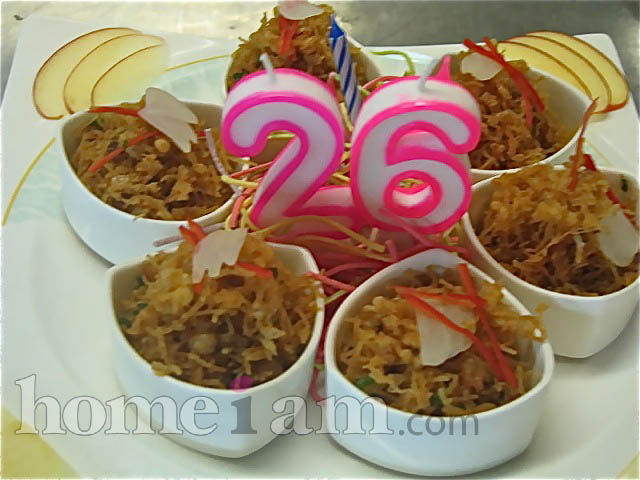
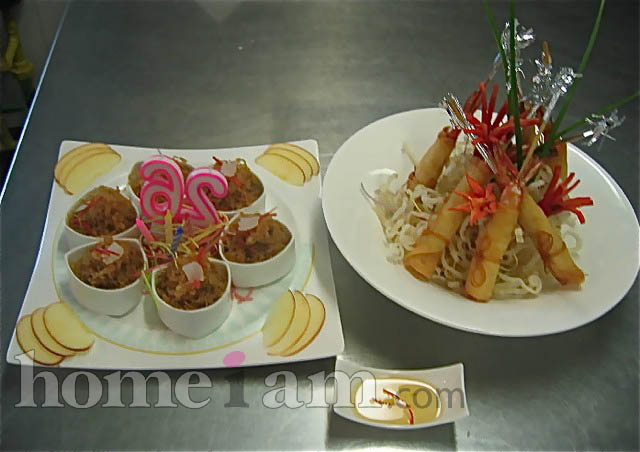
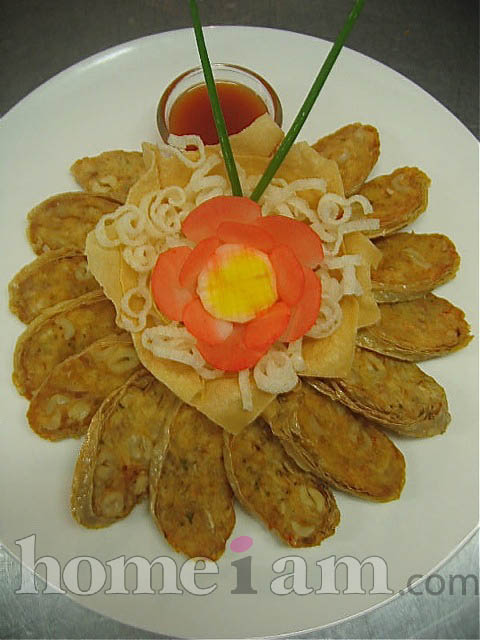
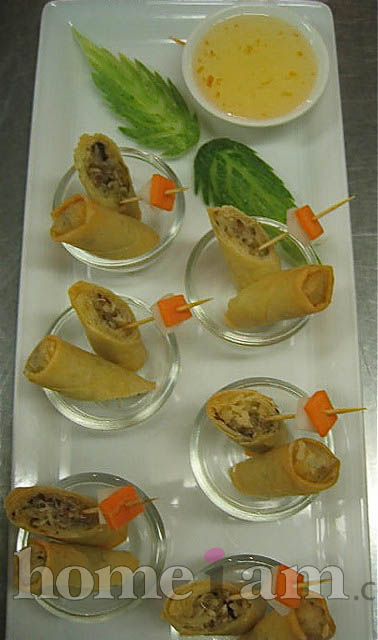
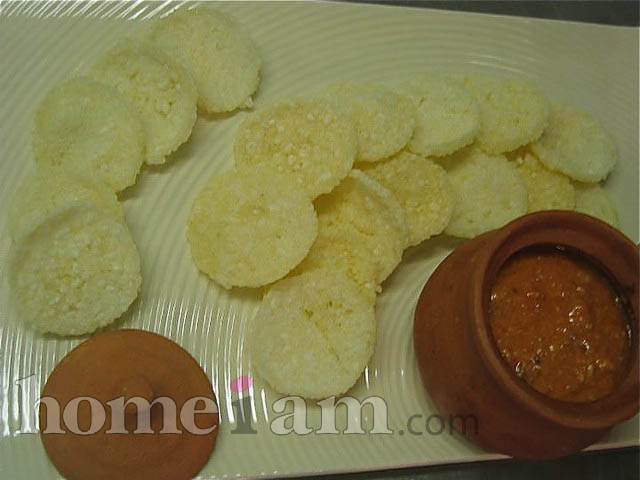
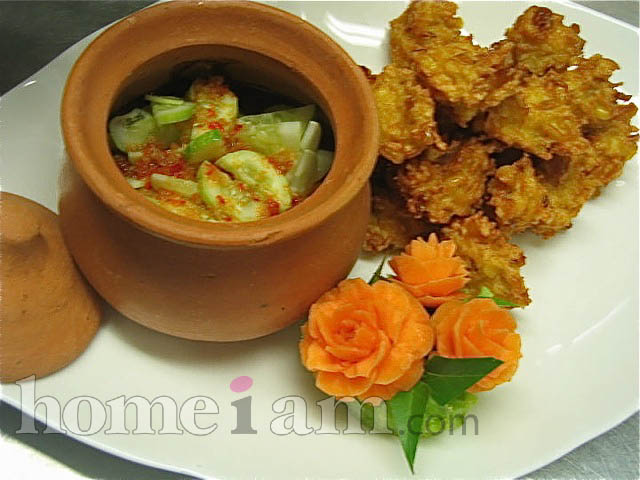
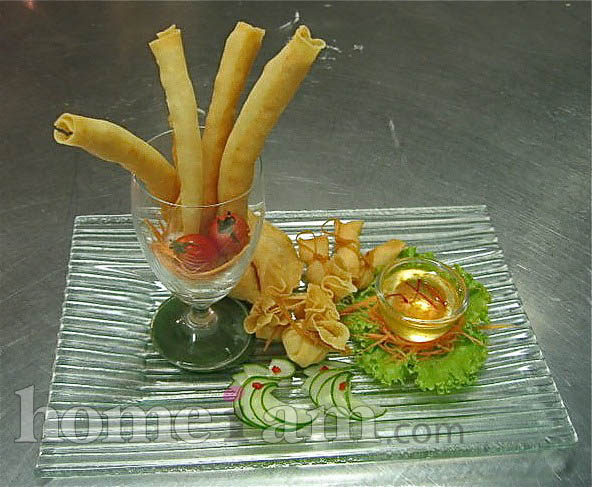
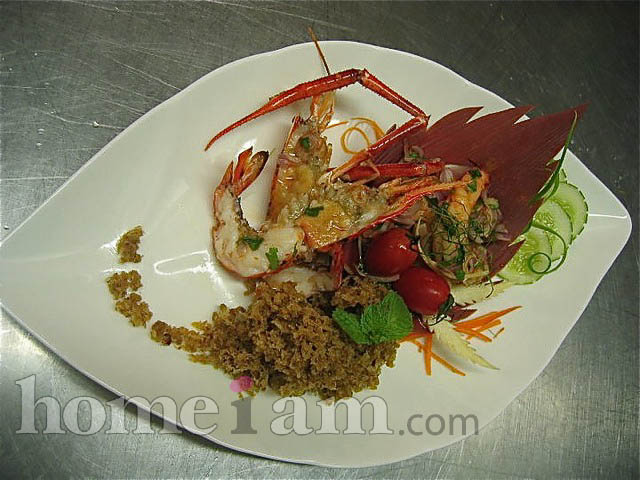
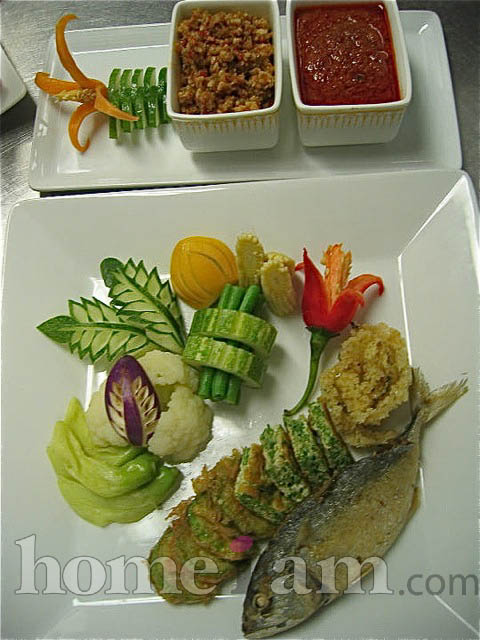
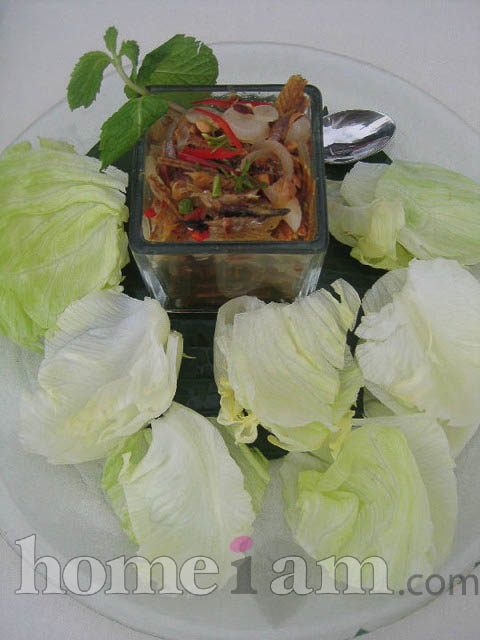
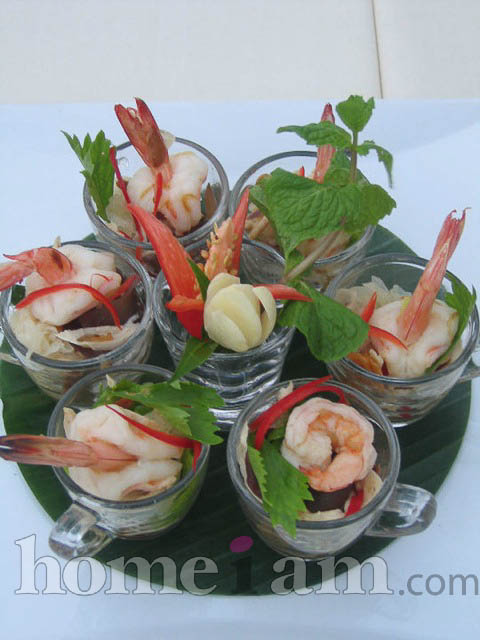
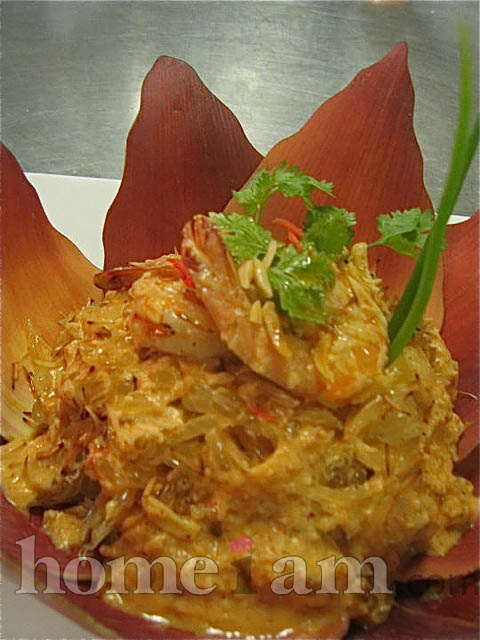
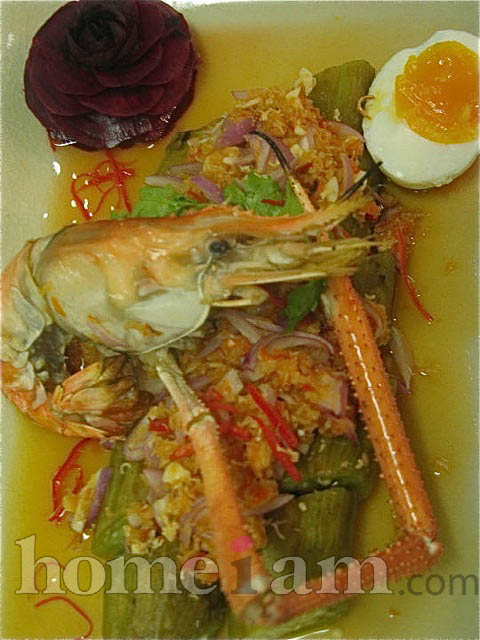
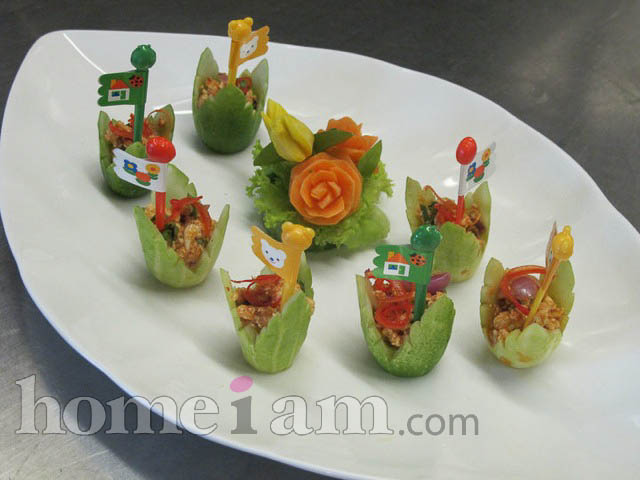
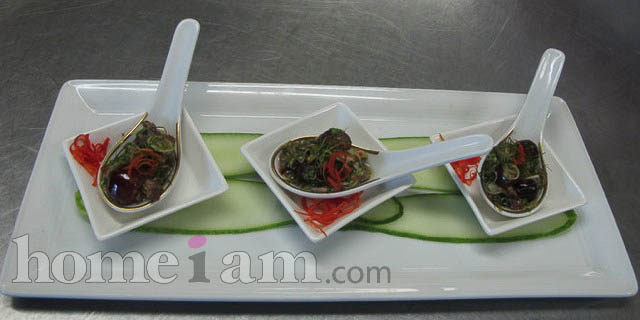
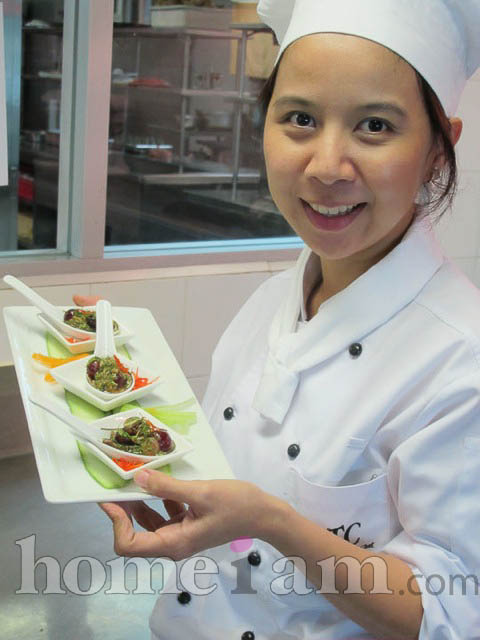
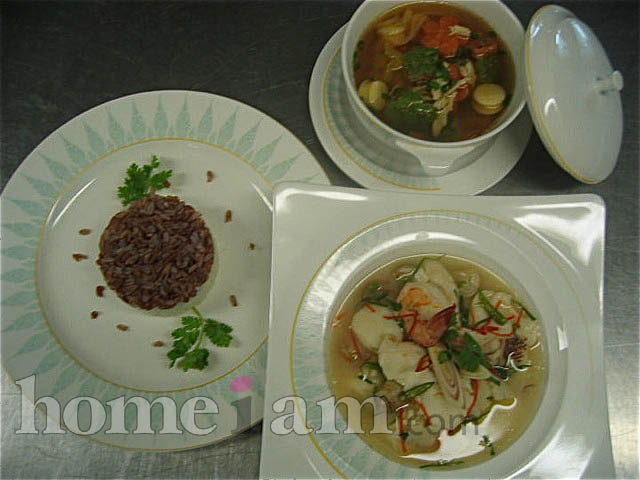
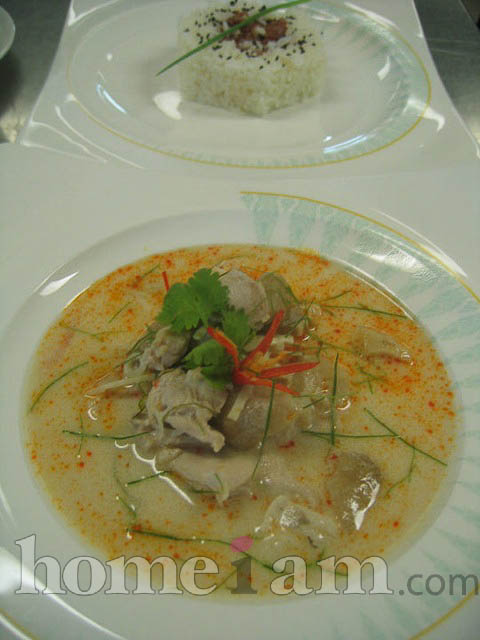
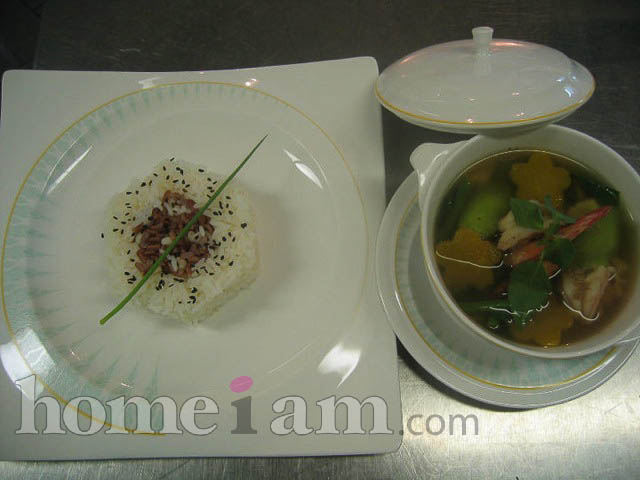
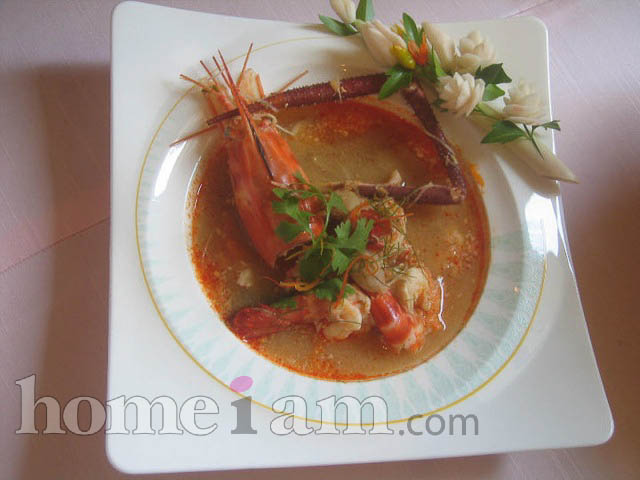
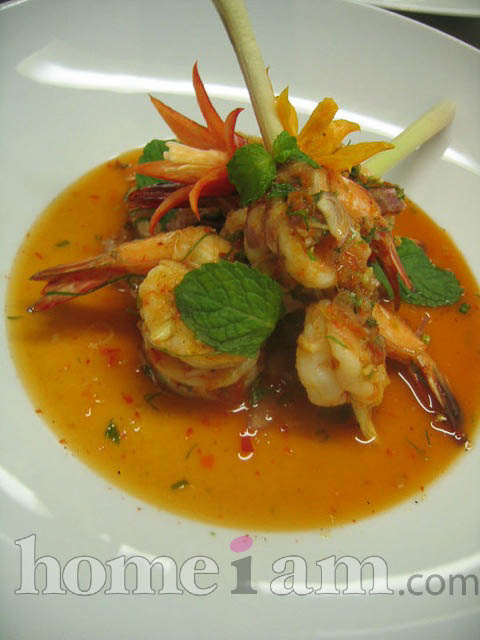
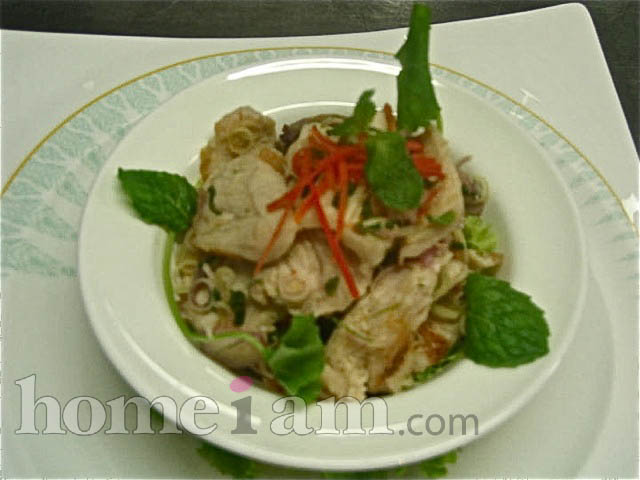
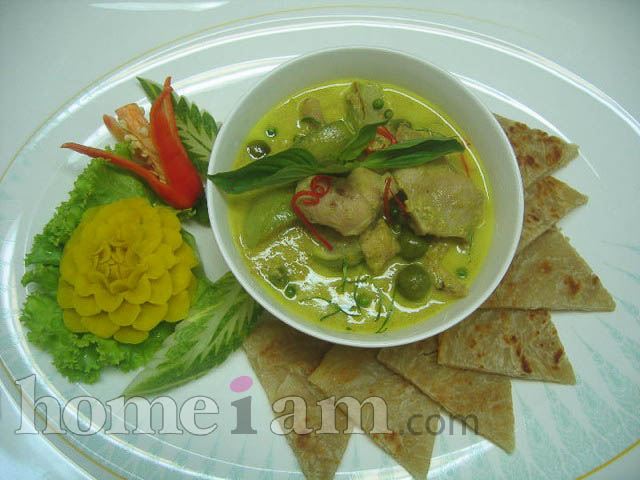
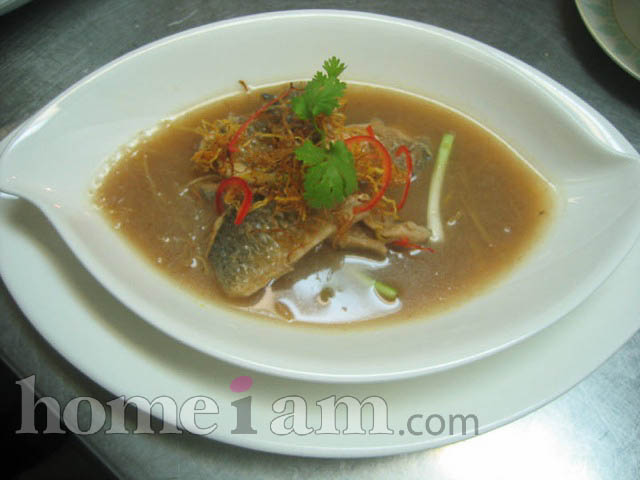
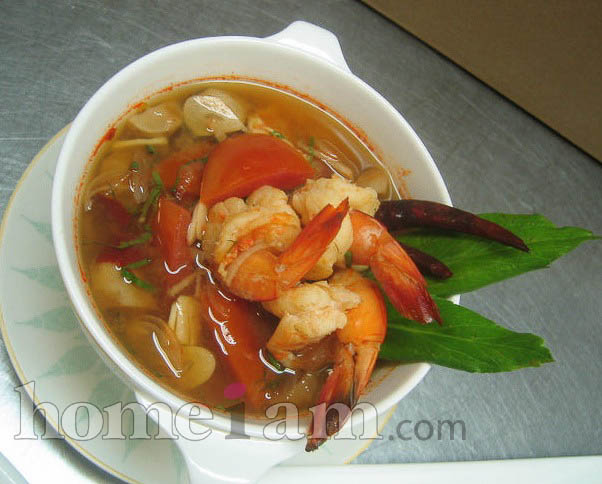
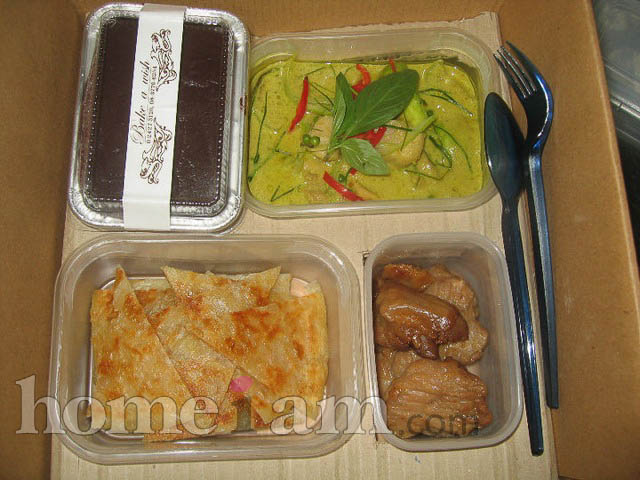
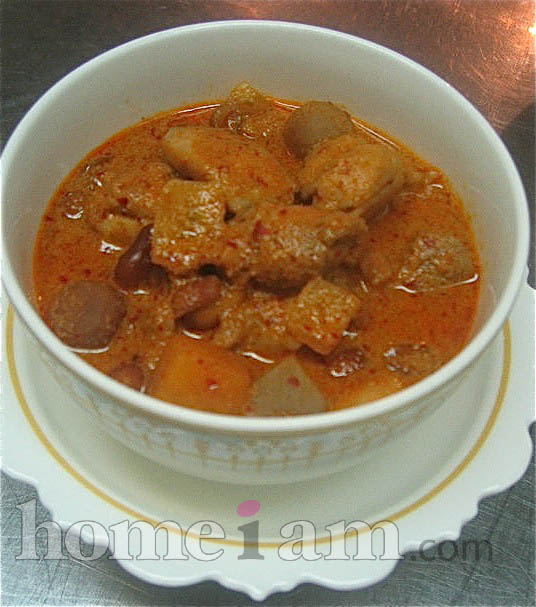
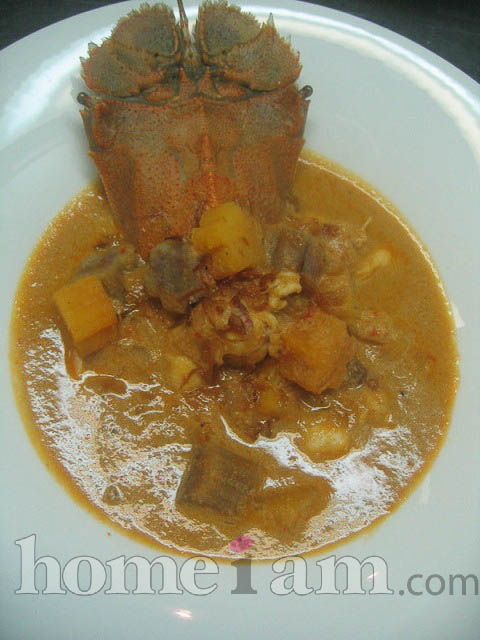
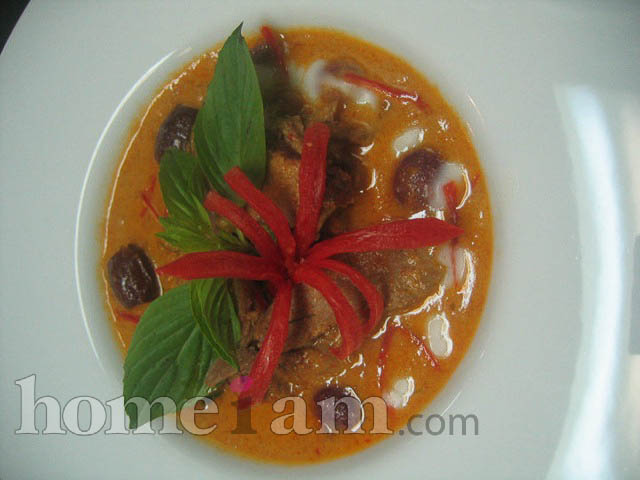
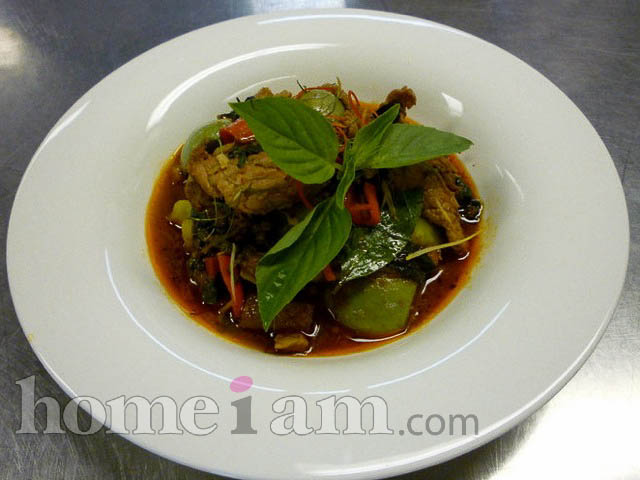
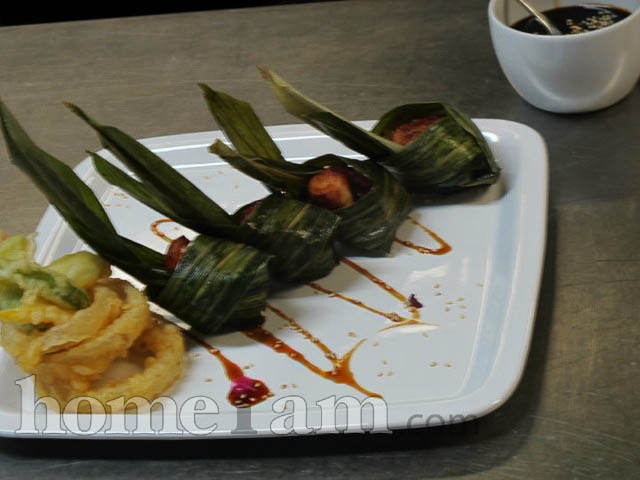
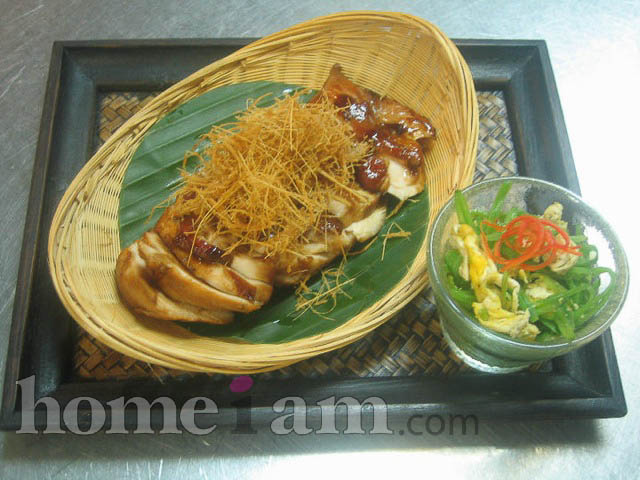
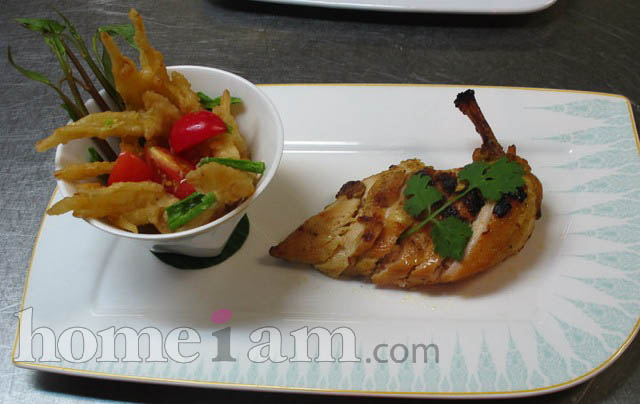
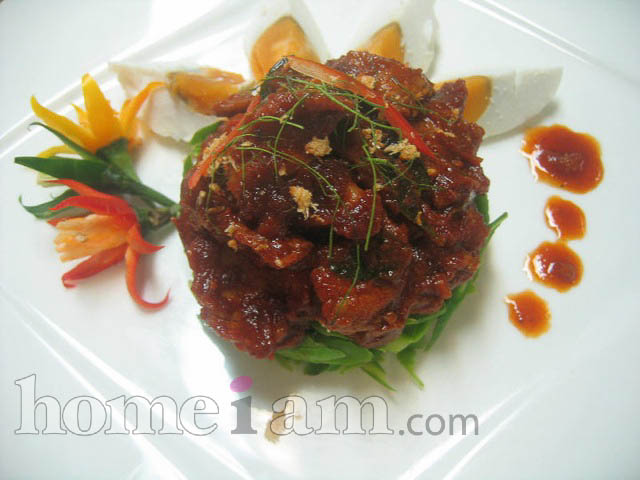
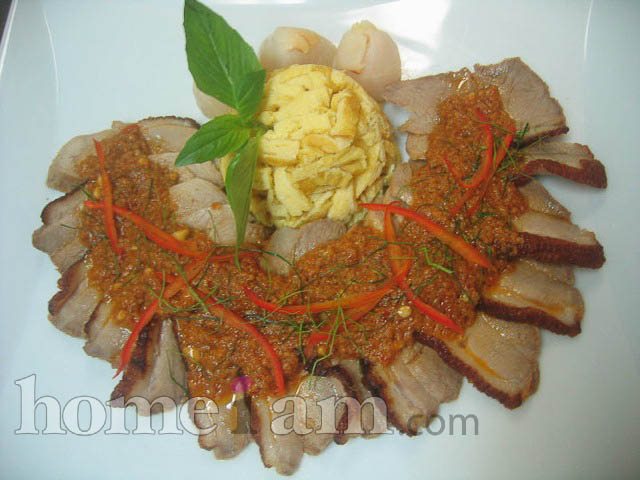
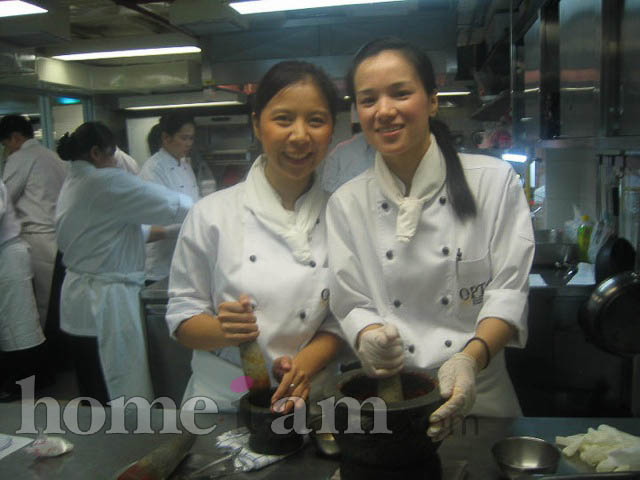
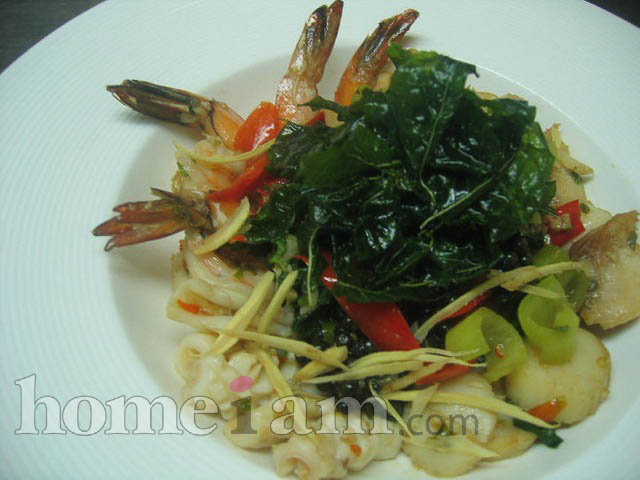
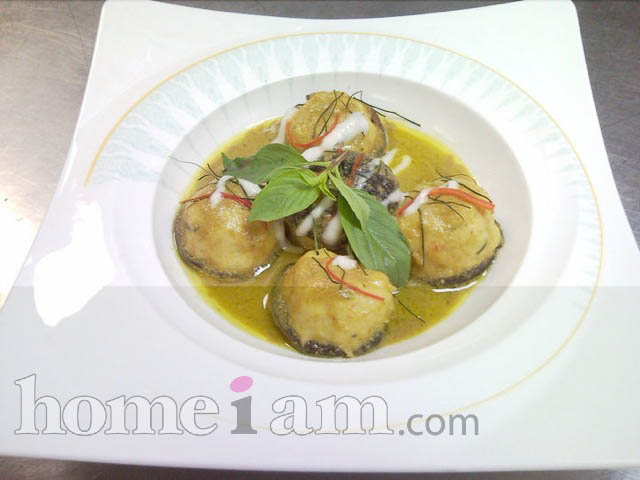
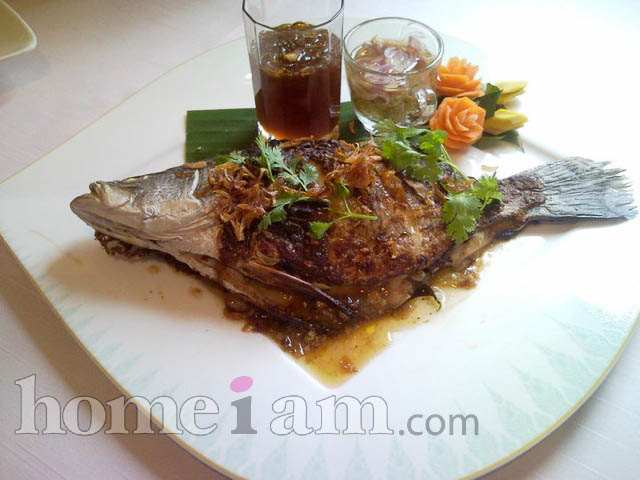
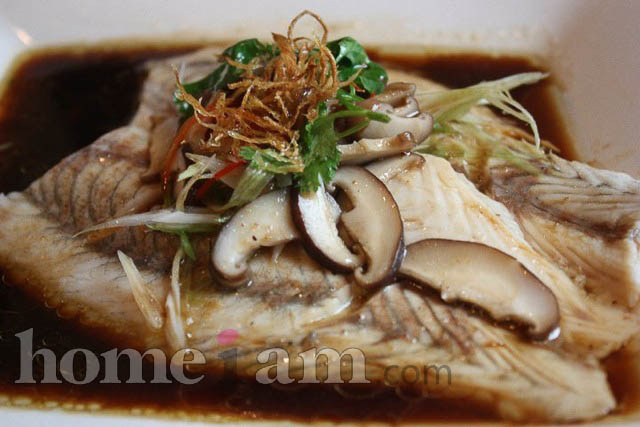
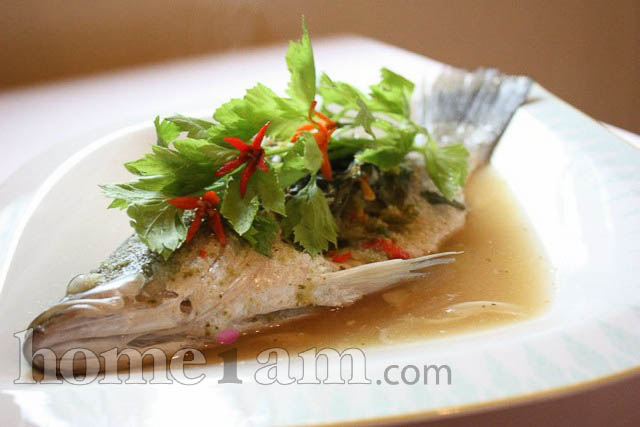
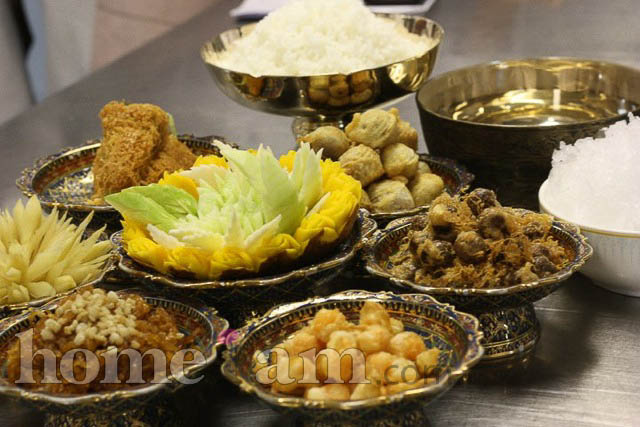
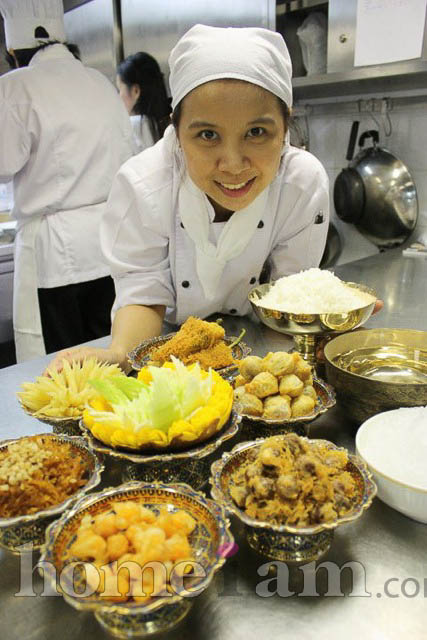
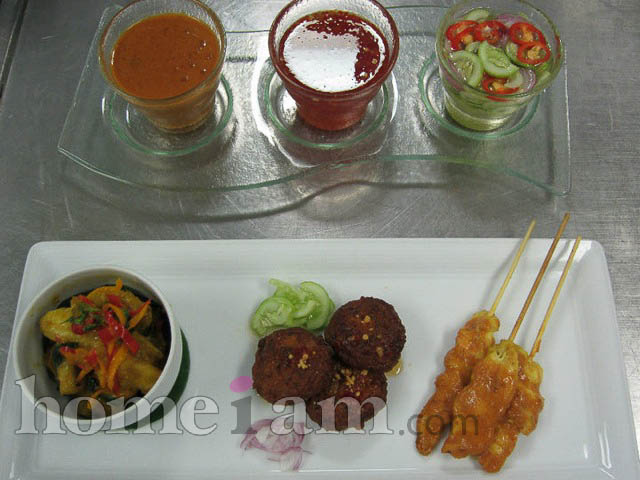
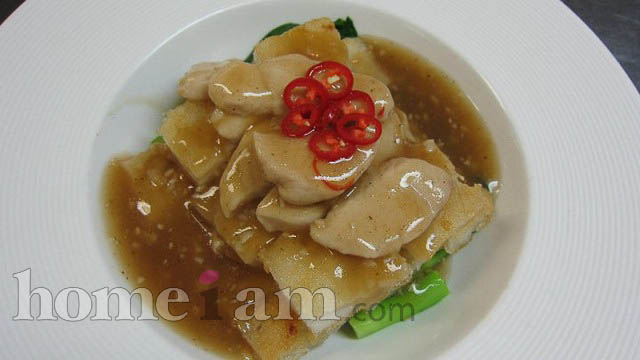
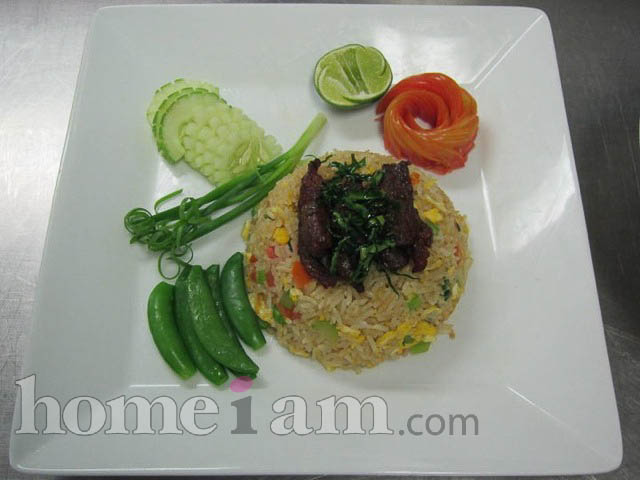
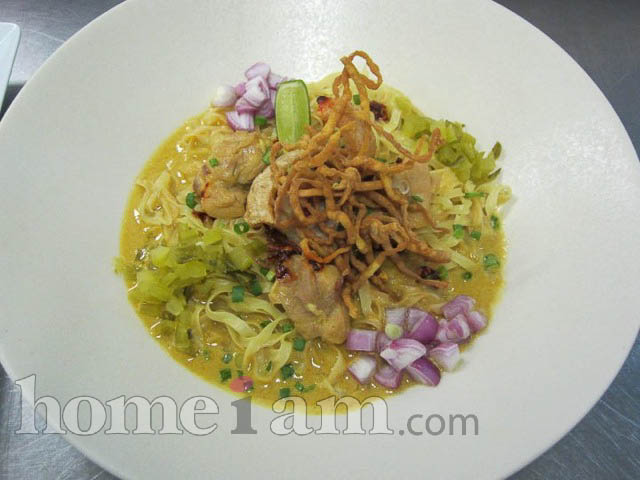
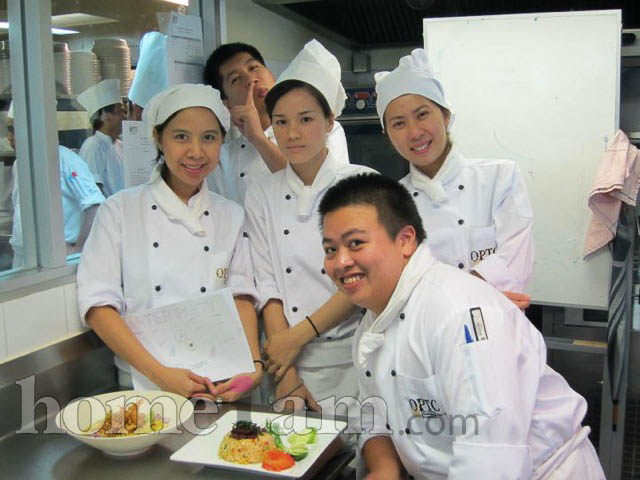
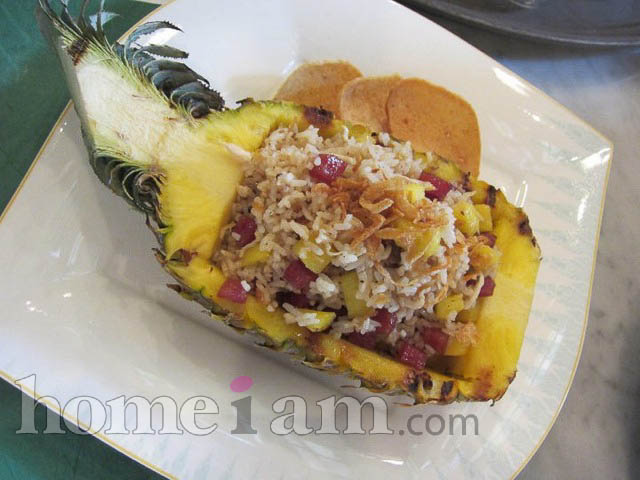
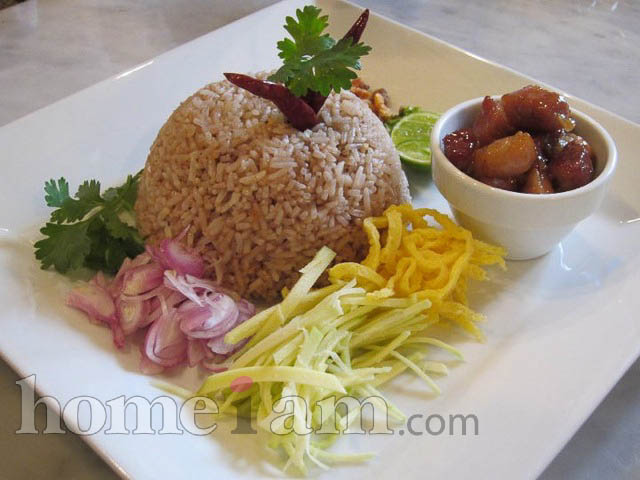
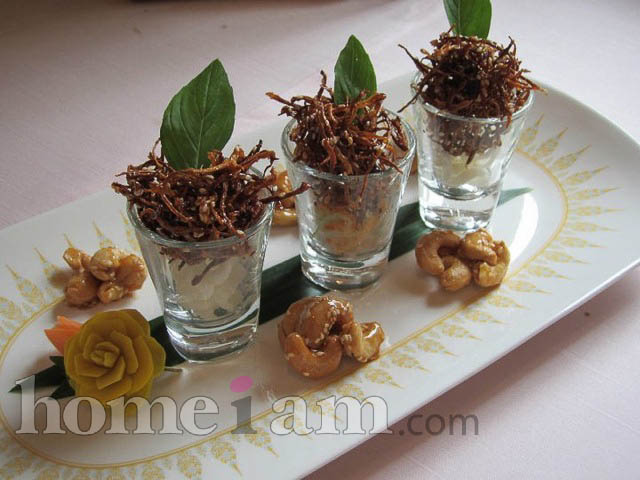
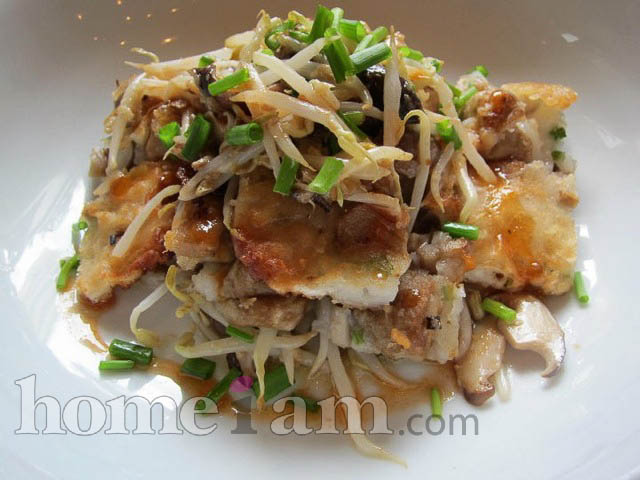
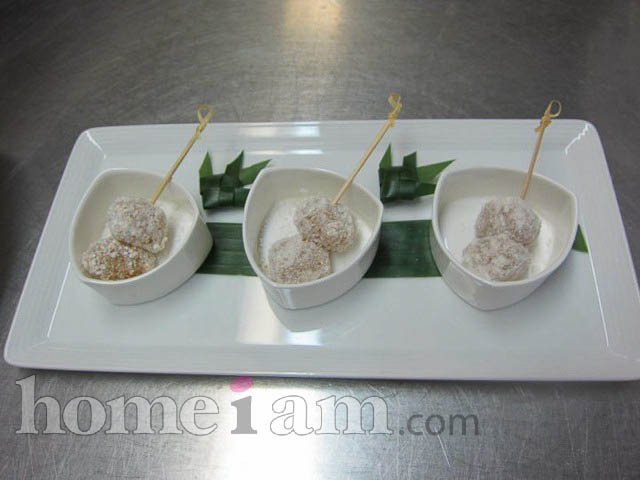
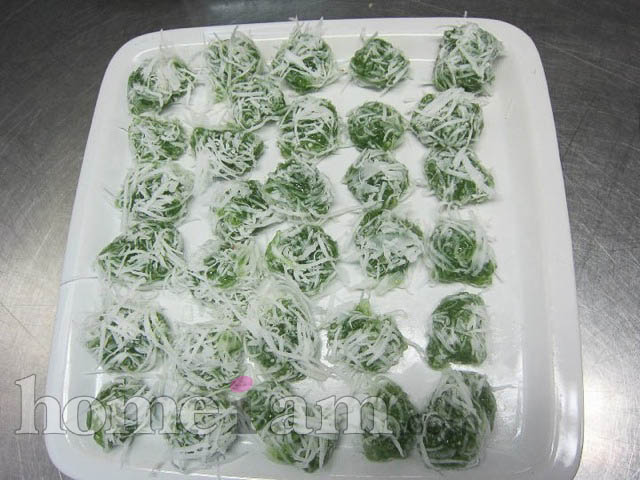
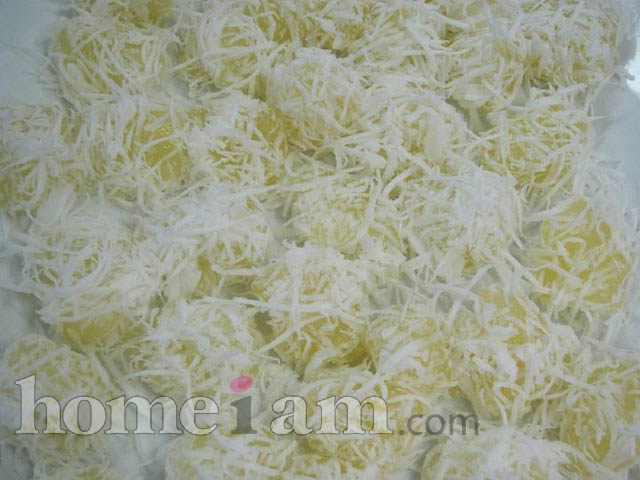
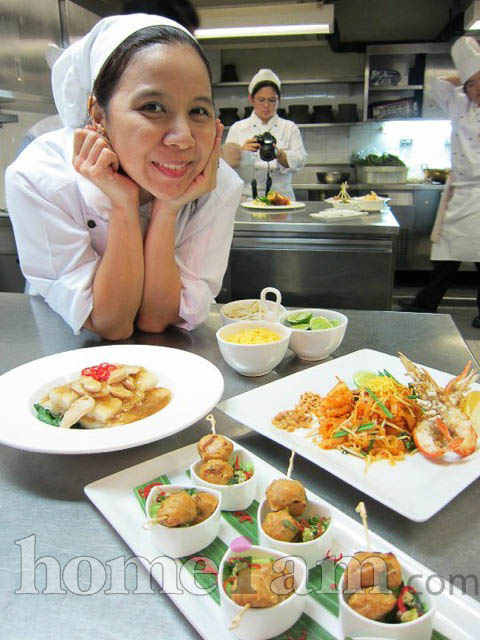
The pictures belowed are Thai Cuisine i cooked when i took the OPTC program (The Oriental Professional Thai Chef) at Madarin Oriental Hotel Bangkok during August-October 2010.
Thai Eating Customs
For the Thais, the cooking is a source of pride and wonder. A Thai cook will always strive for a balance of flavor, texture and color in a dish. Presentation varies from simple plastic bowls at pavement food stalls to beautifully decorated china and artistic displays in finer restaurants, but the complexity of taste and flavor in our culinary magic is consistent.
The most prevalent flavor in Thai cooking comes from the chilli, which surprisingly was introduced to the country by Portuguese missionaries in the sixteenth century.
It didn’t take the Thais long to make good use of it, believing that chillies cool the body, stimulate the appetite and bring balance and harmony to our food.
Food is a celebration. To have to eat alone ranks on the Thai scale of misfortunes. A Thai meal offers a combination of flavor; sweet, hot , sour , salty and sometimes bitter. Usually, in addition to the obligatory bowl of rice, there will be a variety of dishes including a soup, a curry, a steamed dish, a fried one, a salad and one or two sauces. The portion size will depend on the number of people eating. All the dishes are placed on the table at the same time and shared. They are not eaten in any particular order.
Water and tea are the most common liquid accompaniments served with a meal. Thai whisky is often drunk at festive gatherings.
As mentioned above, rice is the staple, not an accompaniment and all other dishes at the meal are seen as condiments to flavor the rice .
In days gone by Thais ate with their fingers of the right hand. Rice would be mixed with an accompanying dish, and dish, and formed into a small mound on the plate.
It was lifted with the four fingers to the mouth, the thumb shifting the food into the mouth to ensure the manoeuvre was clean and successful. In the upcountry today, it is still to see people eat in this manner with beguiling grace. Today Thais eat with a large spoon to scoop up sauces and a fork to mix and push food onto the spoon.
To Thais a well-composed meal comprises several dishes. A meal ideally consists of a soup, a curry, a side-dish, a salad and a dip. And. Of course, rice. A meal without rice is inconceivable, and a meal without a choice of dishes is impoverished, Just as the balance of flavors and texture is important in the construction of an individual dish. It is essential dominant, nor should there be repetition of a style of dish- to the Thais this would be nonsensical and lapse of taste.
To eat food, only a little is taken from one of the other dishes at a time, using its serving spoon. Using its serving spoon, this portion is then mixed with rice. Once this is eaten, the next dish is moved on to - there is no set sequence in choosing, it is simply a matter of preference. Usually, however, a spicy dish is followed by a cooking one, and a rich, sweet one by a tart one, so that even when eating the meal, a balance is maintained. Food is not pile onto the plate - that would be ill-mannered.
As mentioned before, a Thai meal comprises of five different dishes : a soup, a curry, a salad, a dip and a side-dish.
- A soup in English can be “ Gaeng jued, Gaeng Liang, Tom Yam or Tom Khaa”
- A curry is for the Thais “ Gaeng Phed, Gaeng Khiao Waan, Phanaeng or Gaeng Som”
- A salad in English is our “Phlaaa, Lab or Yam”
- A dip includes “ Naam Phrig, Lon, Saeng Waa and Naam Plaa Waan."
- A side-dish is a dish served side-by-side with other dishes. We call it “Kruang Kiang”
|