

| << Back |
| rrin: Thai Floral Garlands-Malai |
| Thursday, November 10, 2011 |
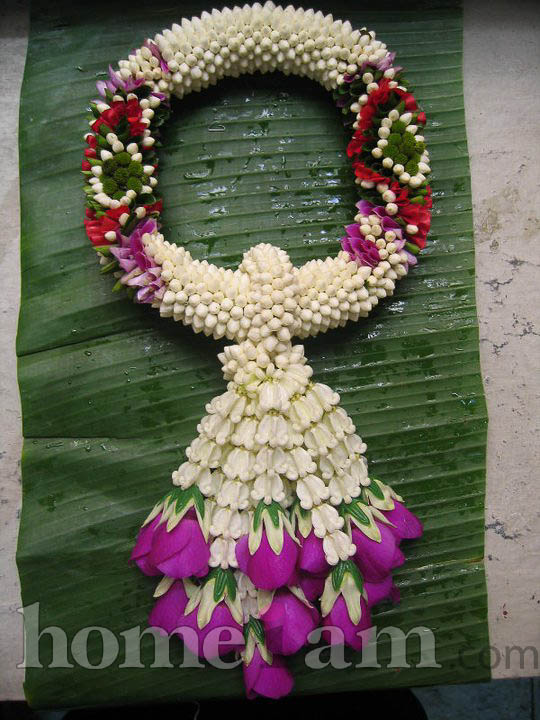
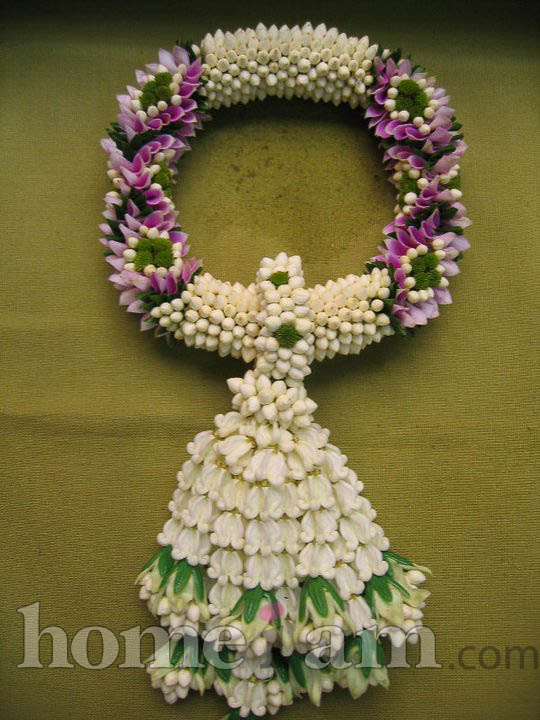
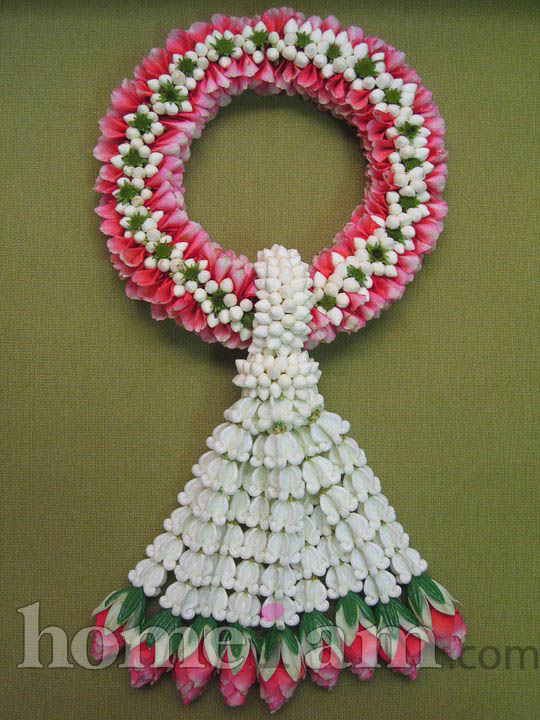
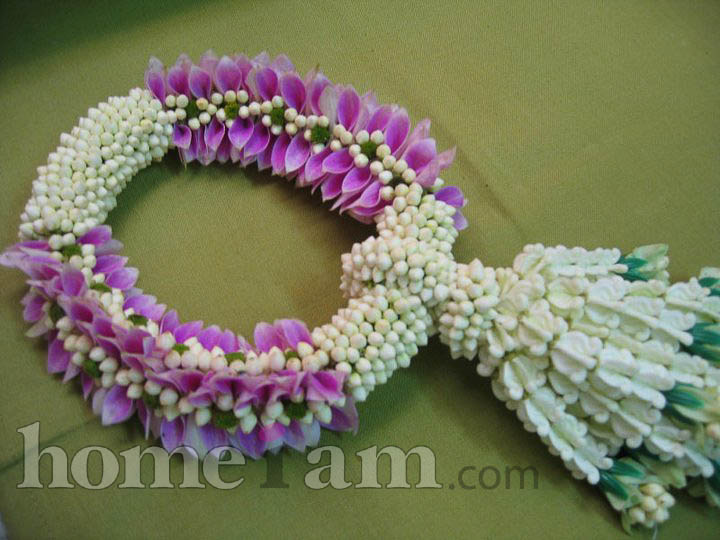
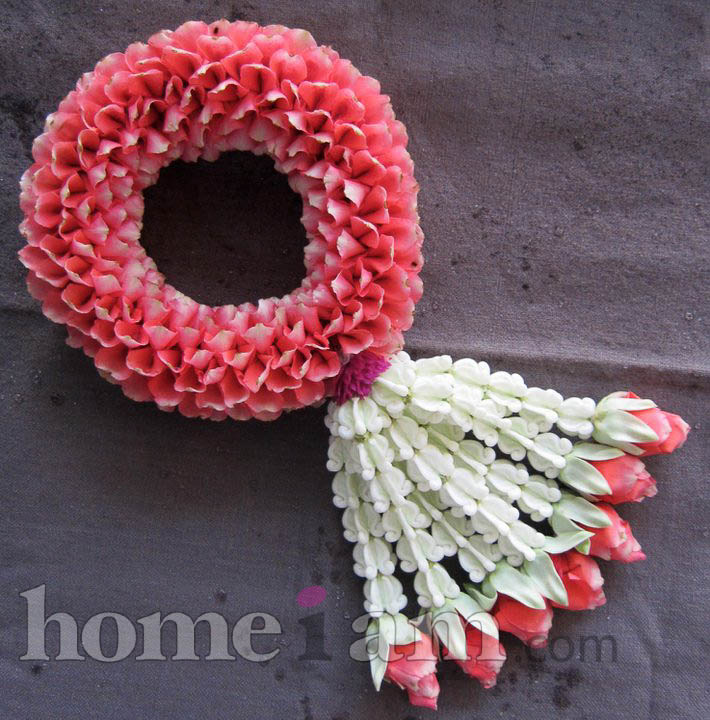
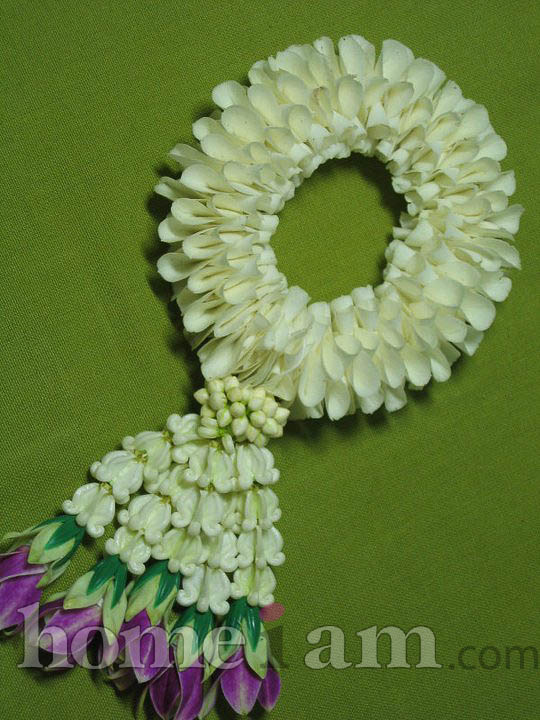
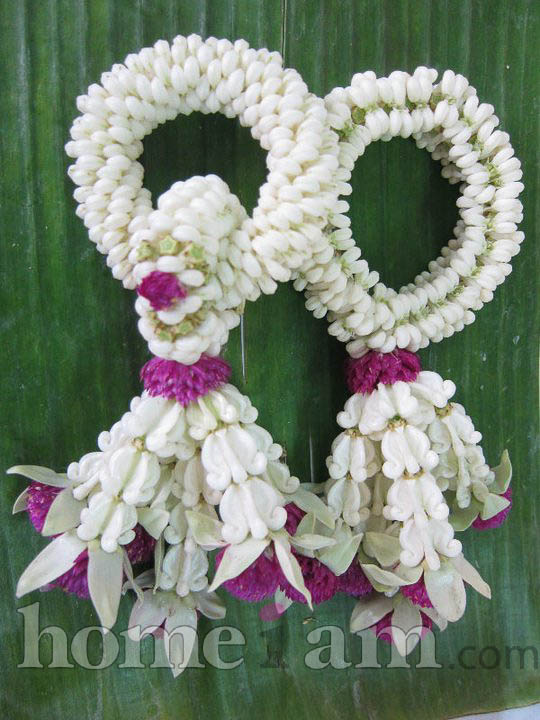
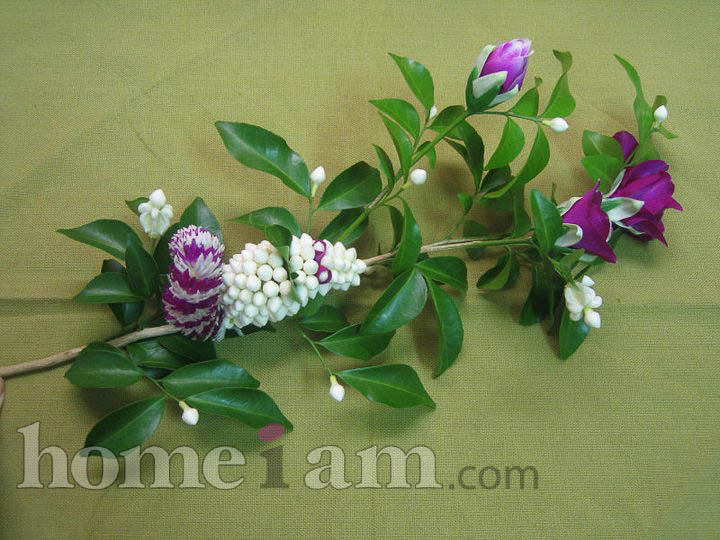
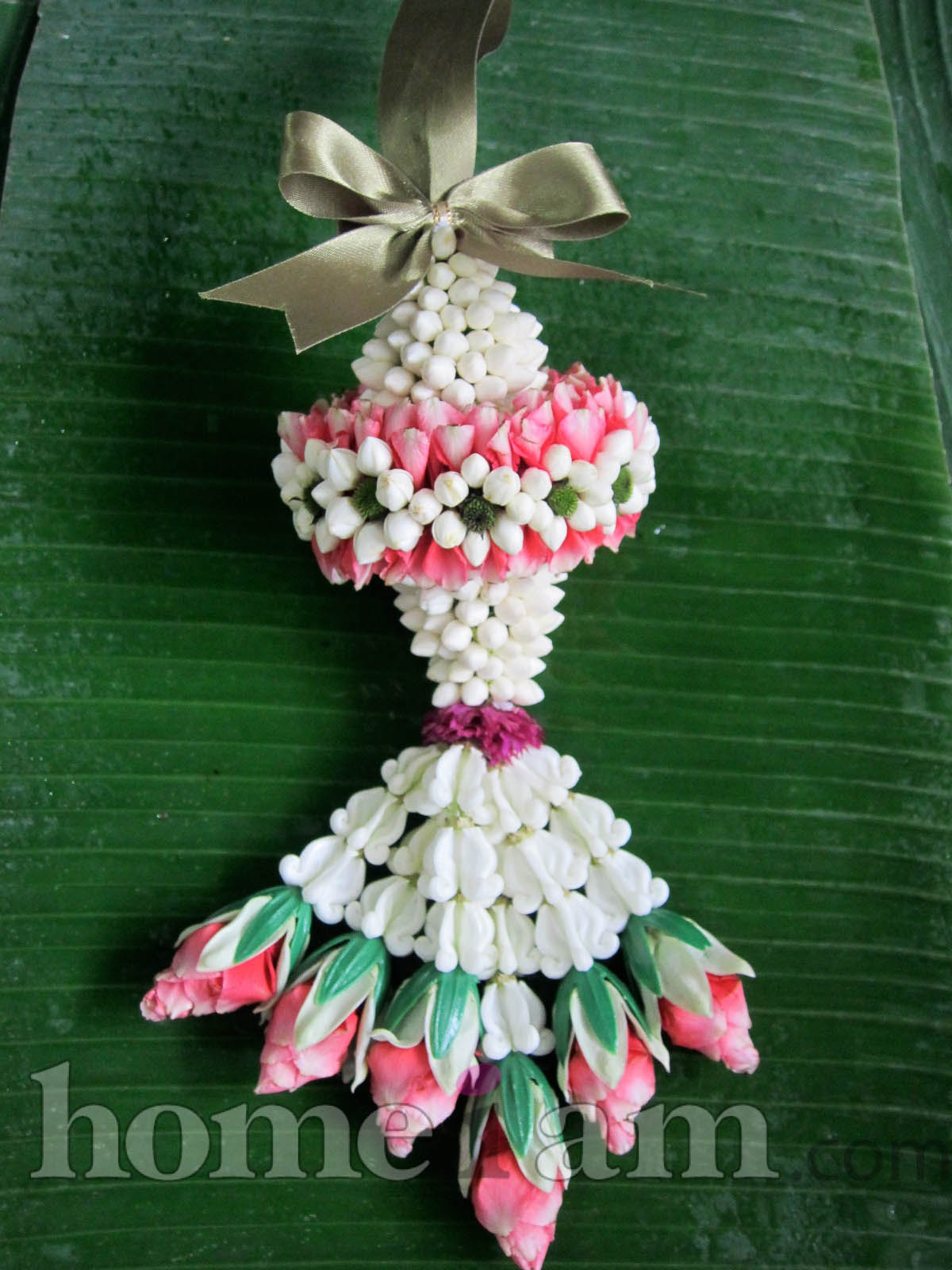
Malai i made .... For one year, i had been in " Women's College in the Court", Grand Palace, to learn traditional Thai arts and crafts. The Craft i love the most is making Floral Garlands (Malai). Malai is used in offering for monks, or giving to senior relative to show how much you respect and love. The Pictures belowed are Some of Malai i have made..... Don't you like them ? ... Thai Floral Garlands Development (Malai) "Flower arranging tradition in Thailand is an integral part of birth celebrations, royal feasts, and cremations and other religious ceremonies. The oldest historical record of flower arrangement in the kingdom can be found in a book written in the Sukhothai period, around 700 years ago, by a noble lady at the court of a great king of the Sukhothai period, Lady Sri Chulalaksana. The golden age of Thai-style floral art came during the reign of King Rama 5 (King Chulalongkorn The Great). As the king showed a great interest and delight in floral art, the ladies of the court were driven to become more attentive to this delicate art, competing with one another to achieve ever more exquisite craftsmanship. Old techniques and designs were revised and adapted, while new ones were created for greater variety, complexity and beauty. The ladies of the court spent hours each day arranging flowers. Each then taught the designs to her ladies-in-waiting. Also educated in malai-making were the young girls who loved in the palace, who received “ finishing school” education under the royal ladies’ patronage. Her Majesty Queen Saowabha Phongsri, mother of King Rama 6, was particularly accomplished in malai art. She transformed traditional malai design- plain rounded shapes made solely with jasmine- by creating myriad beautiful and complicated patterns, along with elegant designs using loose petals and leaves." "Thai Floral Garlands serve as decorations, offerings and gifts in Thai FLower Culture. Malai can be seen decorating the sides of dining tables, walls, handrails and other architectural features. Another frequent use of malai is as an offering, for purposes both religious and reverent. In a Thai temple, together with lit candles and incense sticks, flower stems or malai are placed in front of Buddha images as part of the offering. In the same way, Thais will adorn revered statues-of kings and Buddhist monks, for example-with floral garlands to express their respect. Malai also comprise a significant part of the daily alms received by monks. Carefully crafted by dextrous hands, and with attention to the smallest detail, malai is an excellent welcome gift. Small and simple garlands, mimicking the shape of small animals like squirrels, and sometimes also given to departing guests. Long string garlands, with a tassel at each end, are given to people on special occasions to wear around their neck- like the bride and groom on their wedding day, or a victorious athlete." Some Technique Terms Content Reference: Dok-Mai-Thai : The Flower Culture of Thailand - Sakul InTaKul
มาลัย
มาลัยสองชาย หมายถึง มาลัยที่นิยมผูกต่อด้วยโบ ทั้งสองชายมีอุบะห้อยชายข้างละเท่าๆกันข้างละพวง ใช้สำหรับคล้องบุคคลสำคัญในงานนั้นๆ ถ้าใช้ในงานสมรสเรียกว่า มาลัยบ่าวสาว
มาลัยชำร่วย หมายถึง มาลัยขนาดเล็ก หรือ มาลัยสัตว์ เช่น กระรอก กระแต สำหรับแจกเป็นที่ระลึก
|

|
|
|
|
|
|
|
|
|
|
|
|
| << Back |
 |
 |
 |
 |
 |
 |
 |
© Copyright 2011-2024 homeiam.com. All rights reserved. |